Loading...
Serving Ceres, CA and surrounding areas. (209) 592-1379
A pressure-treated wood deck gives you a durable, cost-effective outdoor space built for the Central Valley - with footings that account for Ceres clay soils and permits handled from start to finish.
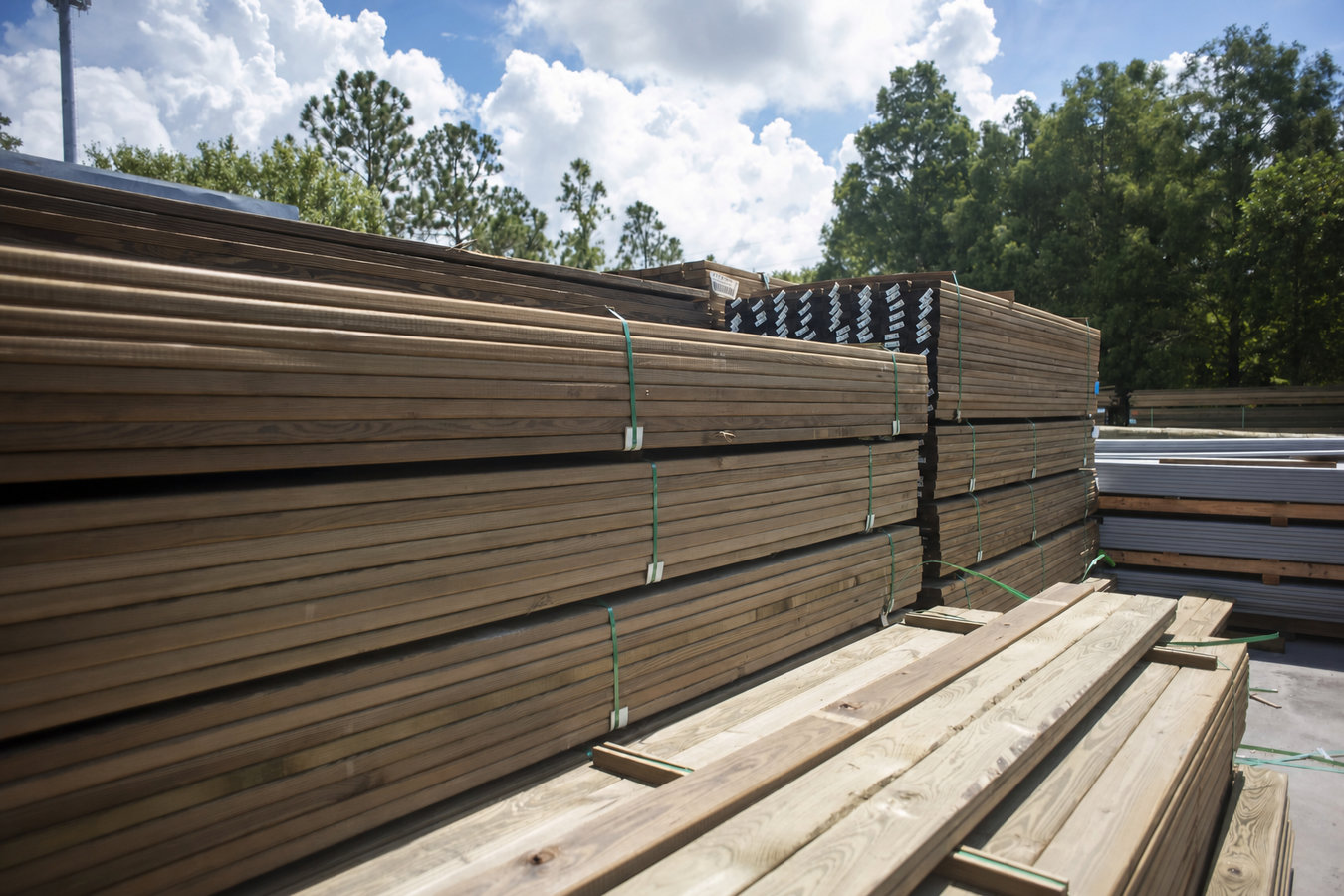
Pressure-treated wood deck construction in Ceres, CA involves setting concrete footings, building a frame of posts and joists, and laying treated lumber boards on top - with most residential decks taking three to seven construction days and a full project timeline of six to ten weeks including the City of Ceres permit process. Pressure-treated lumber is wood that has been soaked in a preservative solution under high pressure so the protection goes deep into the wood fibers, not just the surface. That process is why it is the most common choice for outdoor decks that sit close to the ground, and why a well-built deck using it can last 25 to 40 years with proper maintenance.
For many Ceres homeowners, pressure-treated wood is the right starting point - particularly when budget is a priority or when you want a natural wood surface that you can stain to match your home. It is also the material used for the subframe of virtually every composite deck, so understanding it is useful even if you are considering going composite on the surface. If you are weighing options, deck staining and sealing is the service that extends the life of a pressure-treated surface and keeps it looking its best year after year.
If you already know you want a lower-maintenance surface over a treated frame, our cedar wood deck construction page compares cedar as a natural alternative for homeowners who want a wood surface with better natural rot resistance and a more refined appearance than standard treated lumber.
If your backyard is open lawn or bare dirt with nowhere comfortable to sit or eat, you are not using one of the most valuable parts of your home. In Ceres, where evenings can be pleasant after a hot day, a deck gives you a dedicated outdoor space that is worth returning to. Without it, most backyards stay empty even during good weather.
Walk across your current deck and notice how it feels. Boards that flex more than they should, feel soft when pressed, or show dark discoloration and crumbling wood are showing signs of rot. In the San Joaquin Valley's heat, wood that has lost its protective coating deteriorates faster than in cooler climates - surface problems can go deeper than they look.
Push firmly on your deck railing. It should feel completely solid. If it moves, sways, or makes a creaking sound, the structural connections have weakened - from age, moisture, or poor original construction. Wobbly railings are a safety issue, especially for children or older family members.
Ceres summer heat causes wood to expand and contract repeatedly over the years. If your boards have developed wide gaps, are curling at the edges, or have cracked lengthwise, the wood has reached the end of its useful life. Wide gaps also become trip hazards and allow water to pool where it accelerates further damage.
Every pressure-treated deck project starts with a site visit - measuring the space, checking the ground conditions, reviewing any HOA rules that apply, and understanding how you want to use the finished deck. We submit the permit to the City of Ceres Building Division before any excavation begins, and we handle every inspection required before the job is considered complete. The framing is built with properly sized lumber and concrete footings that account for the clay-heavy soils common in this area. For homeowners who want to extend the life of their deck surface, deck staining and sealing is the follow-on service that protects the boards and keeps them looking fresh for years.
We build pressure-treated decks across a range of configurations - ground-level, elevated, with stairs, with built-in seating, attached to the home or freestanding. The design conversation happens before anything is purchased or permitted, so you know exactly what you are getting and what it costs. If a natural wood surface is the goal but you want better rot resistance than standard pressure-treated lumber provides, cedar wood deck construction is worth considering as an alternative or upgrade to the deck boards themselves.
Ideal for flat yards where you want an affordable outdoor living space close to the house with minimal elevation requirements.
Built for homes with higher back doors or sloped lots where the deck structure needs to sit several feet off the ground.
Includes stair design and construction for elevated decks that need safe, code-compliant access down to the yard.
Pressure-treated railing systems built to code - required on decks elevated more than 30 inches above grade.
Connected to the home's structure with a properly flashed ledger board - the most common residential deck type in Ceres.
Built independently of the house, suited for pool surrounds, garden structures, or detached outdoor rooms.
Ceres sits in the San Joaquin Valley, where summer temperatures regularly exceed 100 degrees. That kind of heat causes wood to expand and contract more dramatically than in cooler climates - which means boards can warp or crack faster if the deck is not built with proper spacing and fastening techniques. A contractor who has worked in Ceres knows to account for this in the design phase, not after boards start pulling apart. The dry season runs from May through October with very little rain, making that window the ideal time for construction - concrete footings cure properly and lumber stays stable. Homeowners in Ceres who start the permitting process in late winter or early spring are typically first in line when the good building weather arrives.
The clay-heavy soils in much of Stanislaus County are a local condition that directly affects how footings need to be designed. Clay soil swells when wet and shrinks when dry - that seasonal movement can shift or crack footings that are not deep enough or wide enough to handle it. A deck that settles or tilts within a few years almost always traces back to footings that were not sized for the local soil. Homeowners in areas like Riverbank face the same soil conditions, and we approach every project across the valley with those variables built into the plan. The American Wood Protection Association sets the standards for pressure-treated lumber used in outdoor construction, and we specify materials that meet those requirements on every project.
We respond to all new inquiries within 1 business day. A short conversation covers your rough budget, the size you are thinking about, and any HOA rules you are aware of. No commitment needed.
We come to your property, take measurements, and walk through your ideas for size, shape, stairs, and any features you want. You receive a written estimate within a few days of the visit - no pressure to sign on the spot.
Once you sign a contract, we submit the permit application to the City of Ceres Building Division. Approval typically takes two to four weeks. We handle all paperwork and keep you updated on timing.
The crew digs footings, builds the frame, and lays the decking boards - usually three to seven days of active construction. A city building inspector verifies the work before the project is complete. We schedule the inspection and walk you through the finished deck.
Free written estimate. We handle the City of Ceres permit from application to final inspection.
(209) 592-1379We know that Stanislaus County clay soils expand and contract with the seasons. Every footing we dig is sized for local conditions - not a generic depth that works in San Jose but causes settling problems in Ceres.
The City of Ceres Building Division permit process adds two to four weeks to most projects. We submit the application, track the approval, and schedule every required inspection - you do not have to manage any of that.
You receive a written, itemized estimate covering materials, labor, footings, and permit fees before you sign anything. No ballooning bills, no surprises when the invoice arrives.
Ceres's intense summer heat requires specific board spacing and fastener techniques to prevent warping and cracking. We build to those conditions from the start - the deck looks and performs the same in September as it did in May.
These details matter because a deck is a long-term investment. Getting the footings, framing, and material selection right from the beginning is what separates a deck that lasts 30 years from one that needs major repairs in five. NADRA provides the industry standards for deck construction that guide how we build every project.
Compare cedar as a natural wood alternative - better rot resistance and a more refined look than standard pressure-treated lumber.
Learn MoreProtect your pressure-treated deck with a stain and sealer application that extends its life and keeps the surface looking clean.
Learn MoreSpring build slots go fast - reach out now and we will respond within 1 business day to get your estimate scheduled.